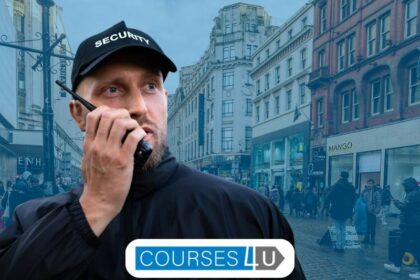
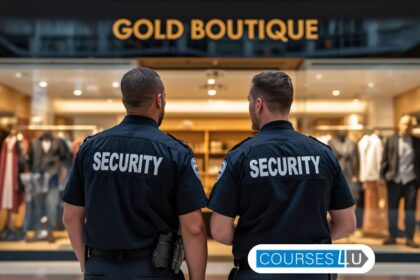
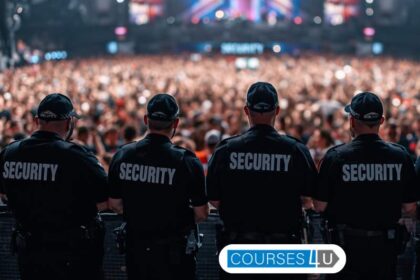
The role of a security professional has changed dramatically over the last decade. Modern security staff are no longer responsible only for preventing crime, monitoring premises, or managing access control. Today, Door Supervisors, Security Officers, and CCTV Operators are often among the first people on the scene when an emergency occurs.
Whether it is a medical incident in a shopping centre, a serious injury at a sporting event, or a member of the public collapsing in a nightclub, security staff are increasingly expected to take immediate action before emergency services arrive. This growing responsibility is one of the reasons why First Aid skills are becoming essential throughout the UK security industry.
In fact, First Aid is no longer simply a desirable extra qualification. In many areas of the security sector, it has become a mandatory requirement and a valuable career advantage.
The Security Industry Has Changed
Traditionally, security roles focused on protecting property, preventing theft, and maintaining order. While those responsibilities remain important, modern security professionals now operate in environments where public safety is a major priority.
Today's security teams regularly work in:
- Shopping centres
- Office buildings
- Stadiums
- Arenas
- Festivals
- Transport hubs
- Construction sites
- Nightclubs and bars
- Hospitals
- Public events
These locations welcome thousands of people every day, increasing the likelihood of medical emergencies and accidents occurring.
As security professionals are often positioned at entrances, exits, busy public areas, and control rooms, they are frequently the first people alerted when someone needs help.
First Aid Is Now a Requirement for Many SIA Qualifications
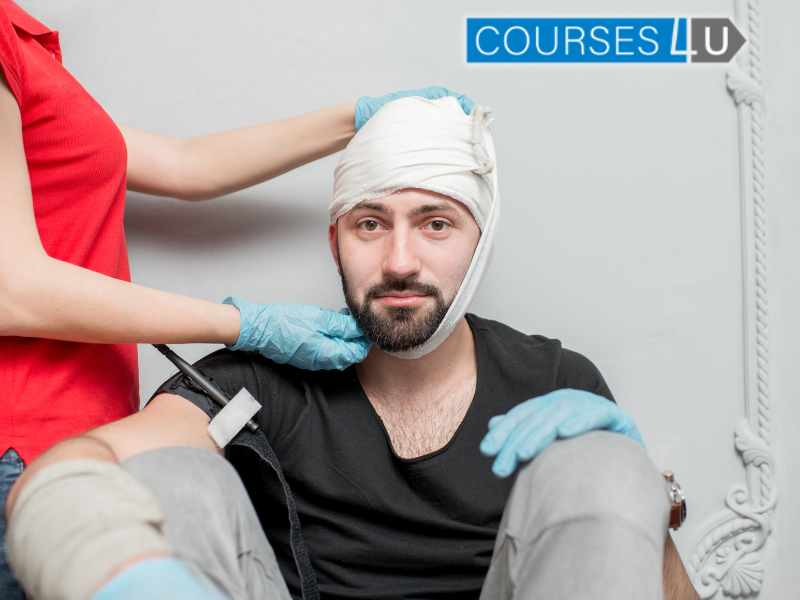
One of the biggest changes in recent years has been the introduction of mandatory First Aid requirements for certain SIA licence-linked qualifications.
Anyone undertaking a Door Supervisor qualification is now required to hold an Emergency First Aid at Work certificate before completing their training. Similar requirements apply to Security Officer courses and licence renewal Top-Up qualifications.
This change reflects the growing expectation that frontline security professionals must be capable of responding appropriately during an emergency.
The Security Industry Authority introduced these requirements to improve public safety and ensure security staff are better prepared to deal with real-world situations.
Security Professionals Are Often First on the Scene
When a member of the public collapses, security staff are often closer than paramedics.
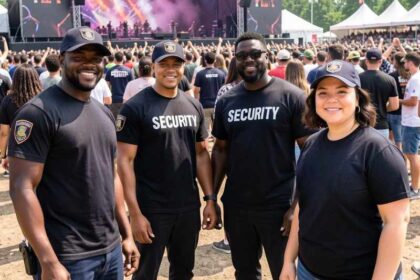
At a concert venue, a Security Officer may be first to reach someone experiencing a medical emergency.
At a football stadium, a steward or Door Supervisor may be first to respond when a spectator falls ill.
In a shopping centre, a CCTV Operator may identify an incident and direct assistance to the scene while communicating with emergency services.
In many cases, the first few minutes are critical.
Knowing how to:
- Assess a casualty
- Perform CPR
- Place someone in the recovery position
- Treat severe bleeding
- Recognise signs of a heart attack or stroke
can make a significant difference before professional medical help arrives.
The Public Expects Security Staff to Help
Security professionals are highly visible members of any venue or organisation. As a result, members of the public often approach them first when something goes wrong.
People naturally expect security staff to:
- Take control of situations
- Provide reassurance
- Coordinate assistance
- Act calmly during emergencies
Having First Aid knowledge helps security personnel meet these expectations confidently and professionally.
It also improves public trust in both the individual and the organisation they represent.
Door Supervisors Face Medical Emergencies Regularly
Many people associate Door Supervisors with conflict management and access control, but the reality is often very different.
Door Supervisors frequently encounter:
- Intoxicated individuals
- Drug-related incidents
- Falls and injuries
- Breathing difficulties
- Medical emergencies
- Vulnerable people requiring support
Because of this, First Aid training has become an essential skill for anyone working within licensed premises, clubs, bars, and event venues.
Many experienced Door Supervisors report using their First Aid skills far more often than their physical intervention training.
Security Officers Need More Than Observation Skills
Security Officers working in corporate buildings, retail environments, hospitals, and industrial sites are also expected to respond effectively during emergencies.
A typical Security Officer may be responsible for:
- Monitoring visitor wellbeing
- Supporting evacuation procedures
- Responding to workplace accidents
- Assisting members of staff
- Acting as part of the site's emergency response plan
Employers increasingly value candidates who can combine traditional security skills with practical First Aid knowledge.
Having both qualifications often improves employability and demonstrates a commitment to professional development.
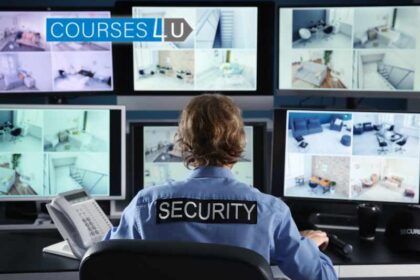
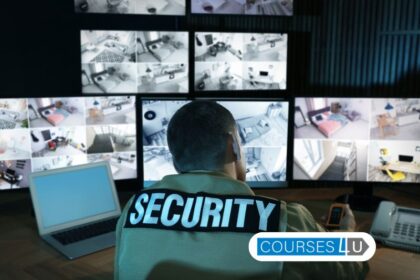
CCTV Operators Play an Important Role Too
While CCTV Operators do not normally provide direct physical assistance, First Aid awareness remains valuable.
A CCTV Operator may be responsible for:
- Identifying incidents on camera
- Directing assistance to casualties
- Coordinating emergency responses
- Communicating with emergency services
- Supporting on-site teams during incidents
Understanding the seriousness of a situation and recognising potential medical emergencies helps operators make faster and more effective decisions.
As CCTV technology becomes more advanced and control rooms oversee multiple sites, the ability to interpret incidents accurately becomes even more important.
First Aid Improves Confidence
Many people worry about what they would do if someone collapsed in front of them. Without training, hesitation is common.
First Aid training helps remove uncertainty by teaching simple, structured procedures.
Security professionals gain confidence in:
- Assessing situations safely
- Taking control of emergencies
- Communicating with emergency services
- Supporting casualties
- Protecting themselves and others
This confidence often transfers into other aspects of security work, improving overall performance on the job.
First Aid Can Open New Career Opportunities
Employers increasingly look for security professionals with a broad range of skills.
Holding a recognised First Aid qualification can make candidates more attractive for roles such as:
- Corporate Security Officer
- Event Security Officer
- Stadium Security
- Mobile Supervisor
- Security Control Room Operator
- Venue Security Manager
- Security Supervisor
For many employers, a security professional who can respond effectively during emergencies offers additional value to the organisation.
The Security Industry Will Continue to Prioritise Public Safety
As security roles become more people-focused, the importance of First Aid is unlikely to decrease.
Future security professionals will increasingly be expected to:
- Support vulnerable individuals
- Respond to welfare concerns
- Assist during medical emergencies
- Work closely with emergency services
- Protect public safety as well as physical assets
The security industry is becoming more professional, more skilled, and more focused on safeguarding people.
First Aid training sits at the centre of that transformation.
Final Thoughts
First Aid is no longer viewed as an optional extra within the security industry. It has become a practical, valuable, and often essential skill for Door Supervisors, Security Officers, CCTV Operators, and security managers alike.
From shopping centres and office buildings to stadiums and major events, security professionals are increasingly at the forefront of emergency response. Those who possess strong First Aid skills are better equipped to protect the public, support colleagues, and respond effectively when every second matters.
For anyone considering a career in security, or looking to progress within the industry, First Aid training is one of the most important qualifications you can add to your skill set. It not only helps meet industry requirements but also provides the confidence and competence needed to make a genuine difference when it matters most.