The SIA licence is the gateway into the UK’s private security industry — whether you want to become a Door Supervisor, Security Officer, or CCTV Operator. But while thousands complete their training each month, a notable number of learners still fail on their first attempt.
The good news? Most failures are avoidable once you understand the underlying causes.
This article breaks down the most common causes of failure, backed by insights from the Security Industry Authority (SIA) and industry regulators, and shows you exactly how to avoid the same mistakes.

-
Poor‑Quality Training Providers
One of the biggest — and least talked‑about — reasons people fail is simply choosing the wrong training provider.
The SIA has repeatedly highlighted widespread issues with training malpractice, including:
- Fake attendance records
- Inadequate teaching
- Poor assessment standards
- Centres cutting corners to reduce costs
The SIA has taken strong action to combat this. In recent enforcement updates, the regulator reported:
- 35 unannounced inspections of training centres in a three‑month period
- 12 inspections triggered by intelligence suggesting malpractice
- 5 training centres stripped of approval for licence‑linked qualifications
- 81 action points were issued to providers needing major improvements
If a provider is cutting corners, learners suffer—often failing assessments because they were never properly prepared.
How to avoid this
- Choose an SIA‑approved training provider with strong reviews.
- Avoid “too good to be true” prices — they usually are.
- Look for centres that offer genuine classroom time, not rushed or compressed sessions.
- Check whether the provider is transparent about course content and assessment.
-
Not Meeting the First Aid Requirement
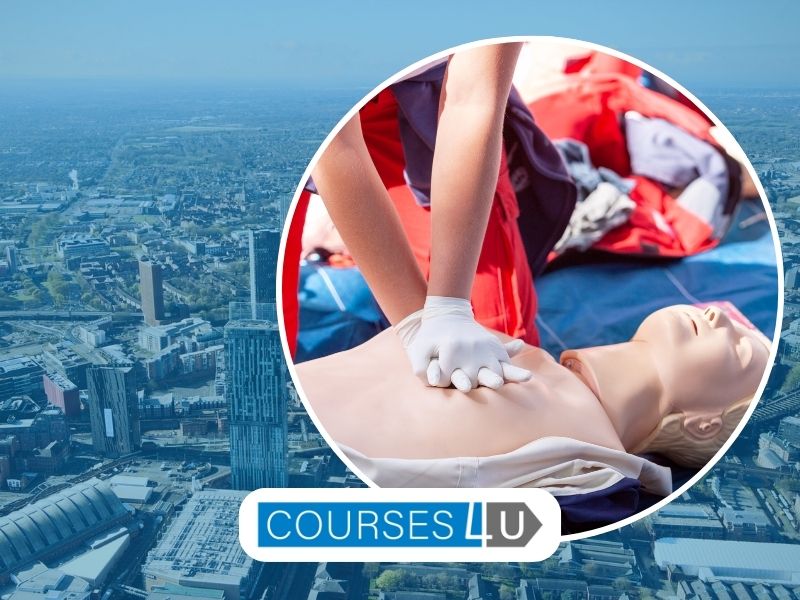
Since 2021, all Door Supervisor and Security Officer learners must hold a valid Emergency First Aid at Work (EFAW) certificate before starting their SIA course.
Many new learners still turn up without it — and are turned away.
The SIA introduced this requirement to improve public safety following major incidents and industry reviews. It’s now a strict legal prerequisite.
How to avoid this
- Book your First Aid course before your SIA training.
- Make sure the certificate is from a recognised awarding body.
- Check that it’s valid for at least 12 months.
-
Underestimating the Exams
Some learners assume the SIA course is “easy” or “common sense.” It isn’t.
The qualification includes multiple assessments, such as:
- Knowledge exams
- Scenario‑based questions
- Practical physical intervention assessments
- Conflict management modules
Those who don’t revise or engage with the material often struggle — especially with legislation, licensing law, and emergency procedures.
How to avoid this
- Treat the course like a real qualification — because it is.
- Use mock exams and revision guides.
- Ask your trainer questions throughout the course.
- Don’t skip the pre‑course reading if it’s provided.
-
Poor English Language Skills
The SIA requires learners to have a minimum level of English to:
- Understand safety instructions
- Complete written assessments
- Communicate effectively in real‑world situations
Training providers are expected to check this, but standards vary. Learners with limited English often fail the written exams or struggle with scenario‑based assessments.
How to avoid this
- If English isn’t your first language, consider taking a short ESOL or functional skills course first.
- Practise reading and writing security‑related vocabulary.
- Ask your provider if they offer language support.
-
Not Taking Physical Intervention Seriously

Physical intervention is one of the most challenging parts of the Door Supervisor course. It’s also one of the most commonly failed modules.
Reasons include:
- Not following safety protocols
- Incorrect techniques
- Poor communication during scenarios
- Lack of confidence or physical readiness
Because physical intervention carries real‑world risk, assessors must be strict.
How to avoid this
- Pay close attention during demonstrations.
- Practise techniques safely with your training partner.
- Wear comfortable clothing and footwear.
- Don’t be afraid to ask for extra guidance.
-
Attendance and Timekeeping Issues
The SIA requires a minimum number of guided learning hours. If you miss too much of the course — even for valid reasons — you may be unable to sit the exam.
This is a common reason for learners being deferred or failing to complete the qualification.
How to avoid this
- Choose course dates when you’re fully available.
- Arrive early each day.
- Inform your trainer immediately if you have unavoidable issues.
-
Falling Victim to Training Malpractice
Some learners fail not because of their own mistakes, but because their training provider engaged in malpractice.
The SIA has documented cases where:
- Exams were not delivered correctly
- Assessments were rushed or incomplete
- Learners were not given required training hours
- Centres falsified records
In one notable case, an unannounced inspection in East London uncovered malpractice so serious that the provider was immediately suspended.
When malpractice occurs, learners may have to retake assessments, repeat training, or even have their qualifications invalidated.
How to avoid this
- Always choose reputable, well‑reviewed providers.
- Avoid centres offering suspiciously short courses.
- Check that your training includes all required modules.
-
Lack of Preparation for the Real‑World Role

Some learners fail because they underestimate what the job actually involves.
Door Supervisors and Security Officers must understand:
- Licensing law
- Safeguarding
- Counter‑terrorism awareness
- Emergency procedures
- Conflict management
- Professional standards
Those who take the course lightly often struggle with scenario‑based assessments that simulate real‑world situations.
How to avoid this
- Research the role before starting your course.
- Watch videos or read guides about real‑world security work.
- Speak to experienced operatives if possible.
-
Not Asking for Help
Many learners stay quiet when they’re confused — and then fail the exam.
Good trainers are there to help, but they can’t support you if they don’t know you’re struggling.
How to avoid this
- Ask questions early and often.
- Request extra support if needed.
- Use breaks to clarify anything you’re unsure about.
Final Thoughts: Passing Your SIA Training Is Completely Achievable
Most people who fail their SIA training don’t fail because they’re incapable — they fail because they weren’t properly prepared, didn’t choose the right provider, or underestimated the course.
If you:
- Choose a reputable training provider
- Complete your First Aid qualification
- Study properly
- Attend every session
- Take physical intervention seriously
- Ask for help when needed
…you’ll be in an excellent position to pass on your first attempt.