The nightlife industry is evolving rapidly, and with it, the role of the modern door supervisor is evolving.
By 2026, venues across the UK are facing new challenges, new technologies and new expectations from both customers and regulators.
Door supervisors are no longer simply gatekeepers; they are frontline safety professionals responsible for risk management, conflict prevention, safeguarding and venue reputation.
Here, we explore the key trends shaping nightlife security in 2026 and what every door supervisor should be preparing for.
A Shift Towards Proactive, Not Reactive, Security

Behavioural Awareness Takes Centre Stage
Door supervisors are increasingly expected to identify risks before they escalate. Behavioural detection training—once limited to airports and major events—is becoming more common in nightlife settings. Supervisors must recognise early signs of aggression, vulnerability, intoxication and predatory behaviour. Venues are investing in training that helps staff read body language, assess group dynamics and intervene early.
Greater Emphasis on Customer Experience
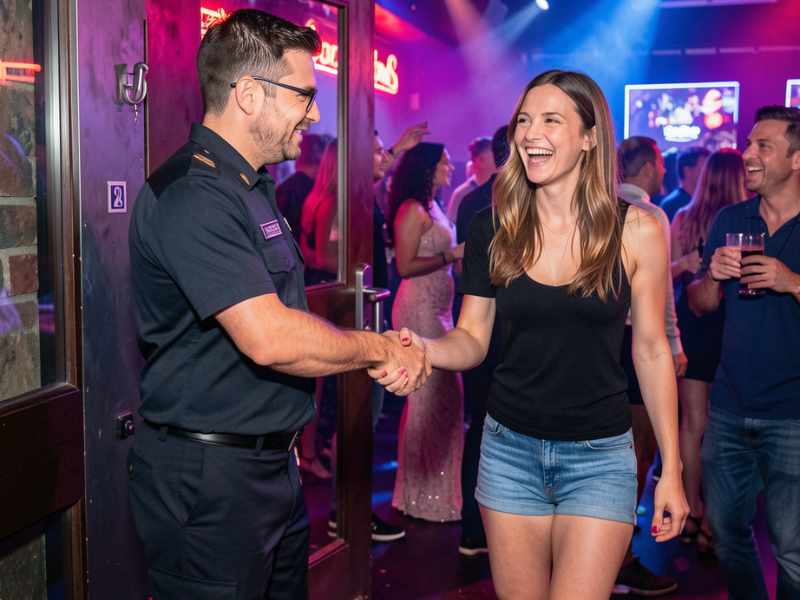
Security teams are now seen as part of the hospitality experience. Door supervisors are expected to be approachable, professional and customer‑focused. This shift is driven by venues wanting to create safer, more welcoming environments, especially for women and vulnerable patrons. Soft skills such as communication, empathy and de‑escalation are now as important as physical presence.
Technology Is Transforming Nightlife Security

Body‑Worn Cameras Become Standard
By 2026, body‑worn cameras will be widely adopted across the nightlife sector. They provide transparency, protect staff from false allegations and offer valuable evidence during investigations. Door supervisors must be comfortable operating the devices, managing data correctly and understanding when recording is appropriate.
Digital ID Verification and Age‑Checking
The rise of digital ID apps and biometric verification means door supervisors are increasingly using technology to check age and identity. These systems reduce the risk of fake IDs and speed up entry queues. Supervisors must understand how to use the software, troubleshoot issues and maintain compliance with data protection laws.
AI‑Assisted CCTV Monitoring
Many venues now use AI‑enhanced CCTV systems capable of detecting unusual behaviour, overcrowding or potential altercations. While AI does not replace human judgment, it supports door teams by providing alerts and improving situational awareness. Door supervisors must be prepared to work alongside these systems and respond quickly to flagged incidents.
A Stronger Focus on Safeguarding and Welfare
Protecting Vulnerable Patrons
Safeguarding is now a core responsibility for nightlife security. Door supervisors must be trained to identify vulnerable individuals—whether due to intoxication, spiking, coercion or mental health concerns—and take appropriate action. Many venues now have welfare officers or dedicated safe spaces, and door teams are expected to work closely with them.
Responding to Spiking and Substance‑Related Incidents
Concerns around drink spiking and drug‑related harm have led to new protocols. Door supervisors must understand how to recognise symptoms, support affected individuals and follow venue procedures. Some venues now provide testing kits, welfare checks and enhanced search policies.
Tighter Regulations and Higher Professional Standards

Increased Licensing Scrutiny
Local authorities are placing greater emphasis on venue safety, staff training and incident reporting. Door supervisors must ensure they are fully compliant with SIA licensing requirements, venue policies and local regulations. Poor record‑keeping or unprofessional conduct can now have serious consequences for both individuals and venues.
Mandatory Training Expands
Training requirements are expanding beyond physical intervention and conflict management. Many door supervisors now receive instruction in:
- Counter‑terrorism awareness
- First aid and emergency response
- Equality, diversity and inclusion
- Safeguarding and vulnerability awareness
- Crowd management and evacuation procedures
This broader skill set reflects the growing complexity of the role.
The Rise of Multi‑Disciplinary Security Teams
Collaboration with Venue Staff and External Agencies
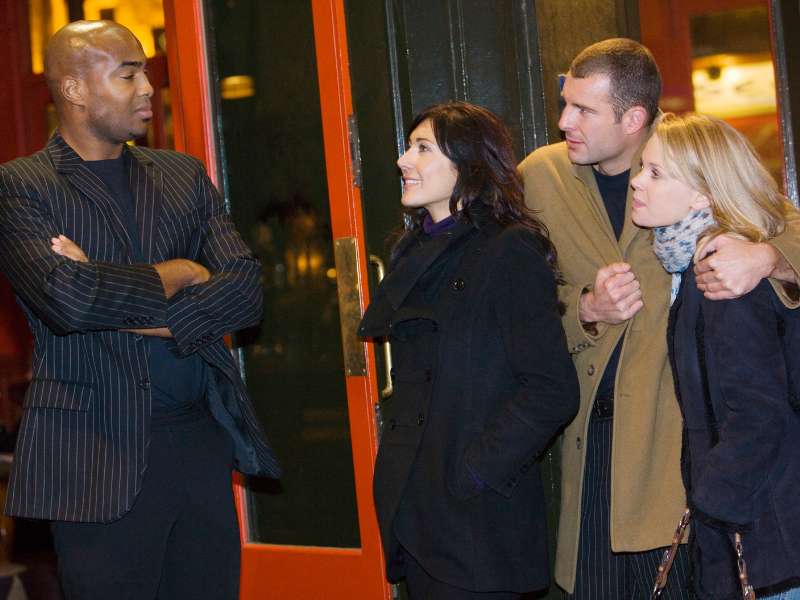
Door supervisors increasingly work alongside bar staff, welfare teams, medics, CCTV operators and local police. Effective communication and teamwork are essential. Venues expect door teams to contribute to incident logs, share intelligence and support coordinated responses.
More Female Door Supervisors
The industry is seeing a rise in female door supervisors, driven by demand for more balanced teams and improved safeguarding. Mixed‑gender teams are now considered best practice, especially in venues with large numbers of young or vulnerable patrons.
Crowd Dynamics Are Changing
Later Nights, Busier Weekends
Post‑pandemic nightlife patterns have shifted. Weekends are busier, and many venues operate later into the night. Door supervisors must manage fluctuating crowd levels, queue control and safe dispersal at closing time.
More Diverse Audiences
Nightlife audiences are more diverse in age, background and expectations. Door supervisors must adapt their communication style and approach to suit different groups, ensuring fairness and professionalism at all times.
Mental Health Awareness for Security Staff
Supporting Staff Wellbeing
The pressures of nightlife security can take a toll on mental health. By 2026, more employers are offering wellbeing support, counselling access and mental‑health‑first‑aid training. Door supervisors are encouraged to recognise signs of stress in themselves and colleagues and seek support when needed.
De‑Escalation Over Confrontation
Modern security emphasises calm, controlled communication. Door supervisors are trained to reduce tension, avoid unnecessary force and resolve incidents safely. This approach protects staff, patrons, and the venue's reputation.
Preparing for the Future of Nightlife Security
The role of the door supervisor in 2026 is more skilled, more professional and more essential than ever. With new technologies, higher expectations and a stronger focus on safeguarding, today’s supervisors must be adaptable, well‑trained and proactive. Those who embrace these trends will be well‑positioned for success in a rapidly evolving industry.