Door Supervisors are some of the most visible figures in the UK’s private security industry.
They stand at the entrances of pubs, clubs, events, stadiums, and venues across the country — but what the public sees is only a fraction of the reality.
Behind every shift is a mix of responsibility, unpredictability, teamwork, and human connection that most people never hear about.
If you’re considering becoming a Door Supervisor, or you’re simply curious about what the job is really like, this article brings together real‑world insights, industry data, and the everyday experiences that define frontline security work in the UK.
The Industry Behind the Stories
Before diving into the day‑to‑day realities, it’s worth understanding the scale of the sector. According to the Security Industry Authority (SIA), demand for licences has remained at record levels, with the regulator reporting high volumes of applications throughout 2023–24. This reflects a growing reliance on private security across the UK’s night‑time economy, events industry, and corporate environments.
The government’s sector profile also confirms that door supervision licences are at their highest levels in a decade, with employers reporting ongoing challenges in recruitment and retention — indicating consistent demand for new operatives.
This is the backdrop against which thousands of Door Supervisors work every week.
-
The Reality of the Shift: More People Skills Than Physical Strength
Ask any experienced Door Supervisor what the job is really about, and most will say the same thing: communication.
While the public often imagines the role as physical or confrontational, the majority of incidents are resolved through:
- Calm conversation
- Clear instructions
- De‑escalation techniques
- Reading body language
- Supporting vulnerable individuals
This aligns with the SIA’s training standards, which place heavy emphasis on conflict management and safeguarding. The physical side of the job is a last resort — and most Door Supervisors go months without needing to use it.
-
Unsociable Hours Are Part of the Package
Door Supervisors often work when everyone else is relaxing: evenings, late nights, weekends, and bank holidays.
Government research shows that:
- Shift lengths typically range from 3–6 hours, with 4 hours being the most common
- Unsociable hours are one of the biggest barriers to recruitment and retention
- Many operatives take the role as a second job, fitting it around daytime work
For some, this flexibility is a benefit. For others, it’s a challenge. But it’s undeniably part of frontline security life.
-
Pay Varies — But It’s Improving Slowly
According to government telephone surveys, Door Supervisors typically earn £10–£12 per hour, a figure that has remained relatively stable for years.
However, pay can increase significantly depending on:
- Location
- Venue type
- Experience
- Additional qualifications (e.g., CCTV, First Aid Level 3)
- Event‑based work
Large events, festivals, and stadium shifts often pay higher rates, especially during peak seasons.
-
Every Shift Is Different — And That’s Part of the Appeal
Door Supervisors often say the unpredictability is what keeps the job interesting. A typical night might include:
- Helping someone who’s had too much to drink
- Supporting a vulnerable person who’s been separated from friends
- Managing queues and capacity
- Checking IDs
- Liaising with police or paramedics
- Calming down a heated argument
- Reassuring nervous customers
- Handling venue incidents discreetly
Many operatives describe the role as a blend of customer service, risk assessment, and public safety — with a healthy dose of intuition.
-
Abuse and Aggression Are Real Challenges
Unfortunately, verbal and physical abuse remain common issues in the sector. Government research identifies high levels of physical and verbal abuse as one of the main barriers to retention.
This doesn’t mean every shift is dangerous — far from it — but it does mean Door Supervisors must be:
- Alert
- Confident
- Trained in de‑escalation
- Supported by a good team
The rise of body‑worn cameras and improved venue policies has helped reduce incidents, but the risk is still part of the job.
-
Teamwork Is Everything
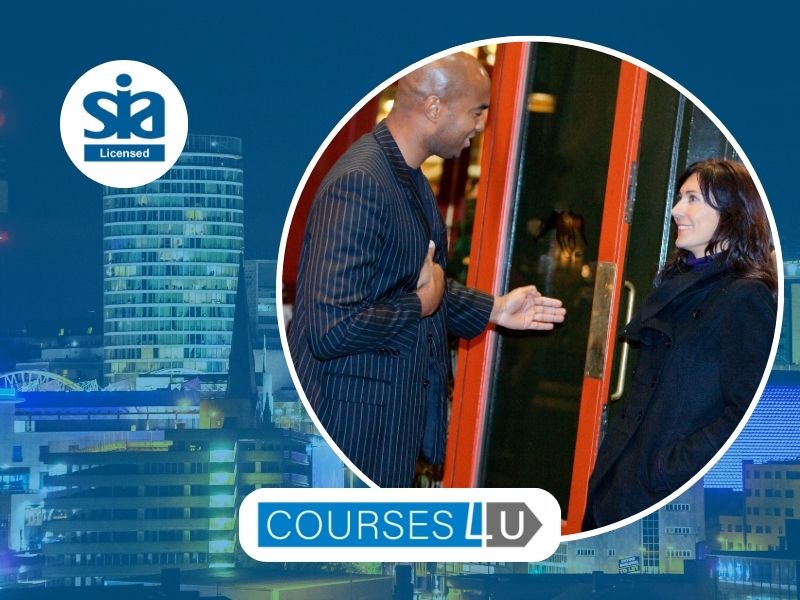
Door Supervisors rarely work alone. A typical team might include:
- A head Door Supervisor
- Several frontline operatives
- A radio controller
- CCTV operators
- Venue management
- Bar staff
- Emergency services (when needed)
Good communication is essential. A strong team can prevent incidents before they happen, support each other during difficult moments, and ensure the venue runs smoothly.
Many operatives say the camaraderie is one of the best parts of the job.
-
The Role Is Becoming More Diverse
The security industry is changing — fast. According to 2024 data, women now make up around 20% of Door Supervisors, with 50,000 female operatives holding licences. This represents a steady year-on-year increase.
Diversity matters because:
- Women often excel in communication and de‑escalation
- Mixed teams create safer environments
- Vulnerable customers may feel more comfortable approaching female staff
The industry still has a long way to go, but the shift is noticeable and positive.
-
Many Door Supervisors Don’t See It as a “Forever Job” — But Some Do
Government research shows that many operatives view door supervision as:
- A stopgap job
- A second income
- A flexible way to earn around other commitments
However, those with permanent or long‑term contracts are far more likely to see it as a career.
For those who stay, the progression routes are strong:
- Security Officer
- CCTV Operator
- Event Security Manager
- Venue Security Supervisor
- Close Protection Operative
- Security Trainer
- Operations Manager
Door supervision is often the gateway into the wider security industry.
-
The Job Requires More Professionalism Than People Realise
Door Supervisors must:
- Understand licensing law
- Follow strict safety protocols
- Complete detailed incident reports
- Maintain professional conduct
- Uphold venue policies
- Protect vulnerable people
- Work within SIA regulations
The SIA’s latest public trust survey found that 60% of people trust security professionals, and 70% believe they are essential for maintaining order and public safety.
This trust comes with responsibility — and most operatives take that seriously.
-
The Best Stories Come from Helping People
While the public often focuses on dramatic incidents, Door Supervisors say the most memorable moments are usually the small ones:
- Helping someone get home safely
- Reuniting lost friends
- Supporting someone who’s overwhelmed
- Preventing a situation before it escalates
- Being thanked at the end of the night
These moments rarely make headlines, but they define the role.
Final Thoughts
Working as a Door Supervisor in the UK is challenging, unpredictable, and sometimes demanding — but it’s also rewarding, meaningful, and full of human connection. The job is far more than standing at a door; it’s about safeguarding people, supporting venues, and helping the night‑time economy run safely.