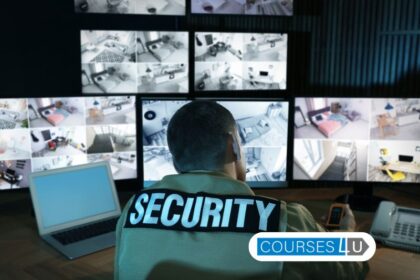
The role of the CCTV Operator is changing faster than at any point in the industry's history. A decade ago, most CCTV operators spent their time monitoring screens, recording incidents, and reporting suspicious activity. Today, artificial intelligence, video analytics, cloud-based monitoring systems, and smart surveillance technology are transforming how control rooms operate across the UK.
For security professionals, this creates both challenges and opportunities. The skills employers look for are evolving, and those who understand modern surveillance technology are likely to find themselves in greater demand than ever before.
Whether you are considering a career in CCTV operations or already working within the industry, understanding these changes is becoming increasingly important.
CCTV Is No Longer Just About Watching Screens

One of the biggest misconceptions about CCTV work is that operators simply sit in front of a bank of monitors all day.
Modern surveillance systems are becoming increasingly intelligent. Rather than relying entirely on human observation, today's CCTV platforms can actively assist operators by identifying unusual behaviour, detecting incidents, and highlighting potential threats.
This allows operators to focus on analysing situations and making decisions rather than constantly scanning multiple screens for hours at a time.
As technology advances, the role is becoming more specialised and more valuable.
Artificial Intelligence Is Changing Everything
Artificial Intelligence (AI) has become one of the most significant developments in the surveillance industry.
AI-powered CCTV systems can now:
- Detect unusual movement patterns
- Identify unattended objects
- Recognise vehicle registration plates
- Monitor crowd density
- Detect perimeter breaches
- Identify restricted area access
- Generate automated alerts
Rather than replacing CCTV operators, these tools help them respond faster and more accurately.
The operator remains responsible for assessing the situation, determining whether intervention is required, and coordinating the appropriate response.
Video Analytics Creates Smarter Monitoring
Video analytics is another area seeing rapid growth.
Traditional CCTV systems recorded events for later review. Modern systems analyse activity in real time.
Video analytics can identify:
- Suspicious behaviour
- Loitering
- Tailgating incidents
- Crowd congestion
- Intrusion attempts
- Unusual movement patterns
This technology is increasingly used in:
- Shopping centres
- Transport hubs
- Stadiums
- Corporate offices
- Logistics facilities
- Public spaces
As more organisations invest in these systems, CCTV operators need to understand how to interpret and work with automated alerts effectively.
Remote Monitoring Is Becoming the New Standard

Many security operations have moved away from traditional on-site control rooms.
Modern CCTV operators often work within Remote Monitoring Centres (RMCs) that oversee multiple sites simultaneously.
A single operator may be responsible for:
- Retail stores
- Warehouses
- Office buildings
- Distribution centres
- Construction sites
all from one location.
This trend has significantly increased the importance of technical knowledge, communication skills, and incident management.
Operators must now be able to prioritise alerts, make rapid decisions, and communicate effectively with security teams on the ground.
CCTV and Security Teams Work More Closely Than Ever
Technology is improving how CCTV operators support frontline security teams.
When an incident occurs, CCTV operators often become the central source of information.
They may:
- Track suspects
- Direct Security Officers
- Support Door Supervisors
- Monitor crowd movements
- Assist emergency responders
- Record evidence
This active role means CCTV operators are becoming critical decision-makers rather than passive observers.
In many situations, the control room effectively acts as the command centre for security operations.
Body-Worn Cameras Are Expanding CCTV Responsibilities
The growing use of body-worn cameras has created another layer of responsibility.
Many security teams now wear cameras that transmit footage back to control rooms.
This provides CCTV operators with:
- Additional camera views
- Real-time incident monitoring
- Improved evidence gathering
- Enhanced staff safety support
Operators increasingly manage not only fixed cameras but also live body-worn footage, creating a more comprehensive picture of unfolding situations.
Data Protection Has Never Been More Important
As surveillance technology becomes more advanced, legal responsibilities also increase.
Modern CCTV operators must understand:
- GDPR requirements
- Data protection legislation
- Information security
- Evidence handling procedures
- Privacy considerations
Employers expect CCTV personnel to understand how recorded footage can be stored, accessed, shared, and deleted lawfully.
Failure to follow correct procedures can create significant legal and reputational risks for organisations.
As a result, compliance knowledge is becoming just as important as operational knowledge.
Smart Cities Are Driving New Opportunities
Across the UK, local authorities are investing in smart city technology.
Many cities now operate surveillance systems that integrate:
- CCTV cameras
- Traffic monitoring
- Public safety systems
- Access control
- Environmental sensors
This creates new career opportunities for CCTV professionals who understand modern surveillance technologies.
Control rooms are becoming more sophisticated and increasingly rely on operators who can manage multiple data sources simultaneously.
What Skills Will CCTV Operators Need in the Future?
Technology may be changing, but human skills remain essential.
Successful CCTV operators of the future are likely to combine technical expertise with strong decision-making abilities.
Key skills include:
Situational Awareness
The ability to understand what is happening quickly and accurately remains critical.
Communication
Operators regularly communicate with:
- Security Officers
- Mobile Patrols
- Door Supervisors
- Emergency services
- Venue management
Clear communication can significantly improve incident outcomes.
Technology Confidence
As surveillance systems become more advanced, operators must feel comfortable using:
- AI-assisted monitoring tools
- Remote monitoring platforms
- Access control systems
- Incident management software
Report Writing
Accurate incident logs and evidence records remain a vital part of the role.
Decision-Making
Technology can provide alerts, but people still make the decisions.
Strong judgement remains one of the industry's most valuable skills.
Why CCTV Careers Look Strong for the Future
Despite concerns about automation, the demand for skilled CCTV operators continues to grow.
Businesses, local authorities, transportation networks, healthcare providers, stadiums, universities, and retail organisations all rely heavily on surveillance systems.
As those systems become smarter, organisations increasingly need trained professionals who can interpret information, manage incidents, and support wider security operations.
Rather than reducing opportunities, technology is creating more specialised and skilled CCTV roles.
How Training Helps You Stay Ahead
For those entering the security industry, CCTV qualifications provide an excellent pathway into a growing sector.
A recognised CCTV Operator qualification helps learners understand:
- Surveillance legislation
- CCTV operations
- Incident management
- Evidence handling
- Communication procedures
- Control room responsibilities
These foundations become even more valuable as technology continues to evolve.
Employers increasingly seek candidates who understand both traditional CCTV operations and modern surveillance systems.
Final Thoughts
The CCTV industry is entering an exciting period of transformation. Artificial intelligence, video analytics, remote monitoring, and integrated security systems are changing how surveillance operates across the UK.
For CCTV operators, this means the role is becoming more skilled, more technical, and more important than ever before.
Those who embrace new technology, develop their knowledge, and stay ahead of industry trends are likely to find strong career opportunities in the years ahead.
The question is no longer whether surveillance technology will change. It already is. The real question is whether today's CCTV operators are ready to evolve with it.