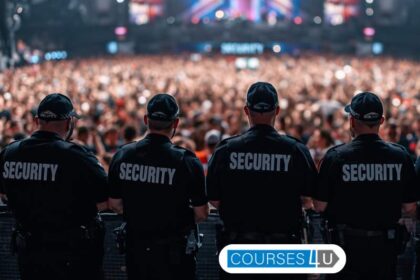
When tens of thousands of people arrive at a football match, concert, festival, or arena event, most visitors focus on the action in front of them. What they rarely see is the team working behind the scenes to keep everything running safely and smoothly. At the centre of that operation is the Venue Security Manager.
From Old Trafford and the Etihad Stadium to Co-op Live, AO Arena, and Heaton Park festivals, Venue Security Managers play a critical role in ensuring visitors, staff, performers, and contractors can enjoy events safely. It is a demanding role that combines leadership, planning, risk management, and people skills. For many security professionals, it also represents an exciting career destination.
The good news is that many Venue Security Managers do not start at management level. A large number begin their career as stewards, Door Supervisors, or frontline security officers before progressing into supervisory and management positions.
What Does a Venue Security Manager Do?

A Venue Security Manager is responsible for overseeing all security operations at a venue or event. Their role begins long before the first visitor arrives and continues long after the last person leaves.
Typical responsibilities include:
- Developing security plans
- Conducting risk assessments
- Managing security teams
- Coordinating with emergency services
- Monitoring crowd safety
- Managing access control
- Investigating incidents
- Ensuring compliance with licensing and safety regulations
- Supporting event organisers and venue management
For large events, they may also work closely with police, local authorities, medical providers, and specialist safety teams.
Why Manchester Creates Huge Opportunities
Manchester is one of the UK's leading event cities. Every year, millions of people attend:
- Premier League football matches
- Concerts and live music events
- Festivals and outdoor gatherings
- Sporting events
- Conferences and exhibitions
- Community celebrations and cultural events
According to Visit Manchester, the city hosts major events throughout the year that attract visitors from across the UK and internationally.
This creates a consistent demand for trained security professionals at all levels, from entry-level stewards through to senior venue management roles.
The Career Path Most People Follow

One of the biggest misconceptions about Venue Security Managers is that they enter the role directly. In reality, most build experience over several years.
A typical progression route looks like this:
Stage 1: Event Steward
Many people begin as event stewards.
This role provides practical experience in:
- Customer service
- Crowd management
- Event operations
- Entry and exit procedures
- Emergency protocols
Stewarding provides an excellent foundation for understanding how large events are managed.
Stage 2: Door Supervisor
Many professionals then obtain an SIA Door Supervisor licence.
This opens opportunities in:
- Stadium security
- Arena security
- Festival security
- Hospitality venues
- Nightlife venues
- Corporate events
Door Supervisors gain experience dealing with:
- Conflict management
- Vulnerable people
- Incident response
- Access control
- Public safety
These experiences become extremely valuable when progressing into leadership positions.
Why Door Supervisor Training Is Such an Important Step
The Door Supervisor qualification remains one of the most versatile licences in the UK security industry.
A quality Door Supervisor course helps develop:
- Communication skills
- Conflict management skills
- Risk awareness
- Incident management
- Public safety knowledge
- Professional decision-making
Because the licence allows work in multiple environments, Door Supervisors often gain experience at venues, events, stadiums, and entertainment locations that become stepping stones towards management positions.
Many future Venue Security Managers first discover the event industry through Door Supervisor work.
Stage 3: Security Supervisor
Once sufficient experience has been gained, many professionals move into supervisory roles.
A Security Supervisor may oversee:
- Team briefings
- Shift management
- Staff deployment
- Incident escalation
- Operational reporting
This is often the first opportunity to lead people directly and develop management skills.
Stage 4: Event Security Supervisor
Larger events often require dedicated Event Security Supervisors.
Responsibilities can include:
- Managing stewarding teams
- Coordinating entry points
- Monitoring crowd movement
- Overseeing emergency procedures
- Liaising with event organisers
At this level, the focus shifts from individual incidents to the wider operational picture.
Stage 5: Venue Security Manager
After gaining operational and leadership experience, professionals may move into full Venue Security Management roles.
By this stage, responsibilities extend beyond security operations to include:
- Strategic planning
- Budget management
- Contractor oversight
- Compliance management
- Stakeholder engagement
- Crisis planning
The role becomes as much about leadership and planning as it is about security itself.
The Skills Venue Security Managers Need

Technical security knowledge is important, but successful managers need a broad skill set.
Key skills include:
Leadership
Managing large teams requires clear communication, confidence, and professionalism.
Decision-Making
Security managers must often make fast decisions under pressure.
Communication
They regularly interact with:
- Security teams
- Venue operators
- Emergency services
- Event organisers
- Members of the public
Risk Management
Understanding and mitigating risk is a core part of the role.
Problem Solving
No two events are identical. The ability to adapt and respond is essential.
Technology Is Changing the Role

Modern venues rely on advanced technology.
Venue Security Managers increasingly work with:
- CCTV systems
- Body-worn cameras
- Access control software
- Incident management platforms
- Radio communications systems
- Crowd monitoring technology
The growing use of AI and video analytics means managers must also understand how technology supports operational decision-making.
What Makes This Career Appealing?
Many security professionals are attracted to Venue Security Management because it offers:
- Career progression
- Leadership opportunities
- Variety of work
- Event-based environments
- Professional responsibility
- Long-term career stability
Every event presents different challenges, which keeps the role interesting and rewarding.
How to Get Started
The most practical first step is gaining frontline experience.
For many people, this starts with a recognised Door Supervisor qualification. The licence opens access to a wide range of security environments and allows professionals to build the operational experience that venue employers value.
Working in events, stadiums, hospitality venues, and public-facing environments helps develop the skills needed for progression into supervisory and management positions.
The combination of formal training and real-world experience remains the most reliable route into venue security leadership.
The Future Looks Bright
Manchester's events industry shows no signs of slowing down. New entertainment venues, expanding event programmes, and increasing visitor numbers continue to create opportunities across the security sector.
As venues place greater emphasis on safety, safeguarding, and professional standards, demand for experienced Venue Security Managers is likely to remain strong.
For those willing to invest in their training, gain experience, and develop leadership skills, the pathway from steward or Door Supervisor to Venue Security Manager remains one of the most exciting career journeys in the UK security industry.
Final Thoughts
Venue Security Managers are the people who help keep Manchester's biggest events safe. They plan operations, manage teams, respond to challenges, and ensure thousands of visitors can enjoy events without disruption.
While the role carries significant responsibility, it is also a career that offers progression, variety, and long-term opportunities. Many of today's managers started exactly where new entrants begin today: working on the frontline, building experience, and developing their skills one event at a time.
For anyone considering a long-term career in the security industry, the journey often starts with the right training and the willingness to learn. The path from Door Supervisor to Venue Security Manager is well established, and for the right person, it can be an incredibly rewarding career choice.