The UK private security industry has always been a major employer — but over the past few years, it has transformed into one of the fastest‑expanding sectors in the country.
Whether you’re considering becoming a Door Supervisor, Security Officer, or CCTV Operator, understanding the real numbers behind the industry can help you make an informed career decision.
This article breaks down the latest data, trends, and insights from authoritative UK sources, including the Security Industry Authority (SIA) and independent sector analyses.

-
The UK Security Industry Is Bigger Than Ever
One of the most surprising facts for newcomers is just how large the private security sector has become.
According to the SIA’s Annual Report, the regulator oversees hundreds of thousands of active licence holders, covering roles such as Door Supervision, Security Guarding, CCTV Operation, Close Protection, and more. The SIA’s reporting highlights a consistently high volume of licence applications and renewals year after year, demonstrating sustained demand across the UK.
This growth is driven by:
- Increased public safety expectations
- Expansion of the night‑time economy
- More large‑scale events and festivals
- Rising demand for corporate and retail security
- Greater reliance on CCTV and surveillance technology
The industry is no longer just about “bouncers” and nightclub doors — it’s a complex, multi‑layered sector supporting everything from hospitals to stadiums.
-
Public Confidence in Security Is Rising
The SIA’s 2024 Annual Report summary revealed a striking statistic: 60% of people feel safer when private security is present at venues such as concerts, sporting events, banks, hospitals, and retail premises.
This matters because public confidence directly influences:
- Venue staffing levels
- Event security budgets
- Employer demand for trained operatives
As public expectations rise, so does the need for well‑trained, professional security staff.
-
Training Standards Are Increasing — And That’s Fueling Growth

The SIA has been actively raising training standards across the industry. Recent updates include:
- Enhanced First Aid requirements (in response to Manchester Arena Inquiry recommendations)
- New training content addressing drink‑spiking risks
- Stricter oversight of training providers following malpractice concerns
These improvements are part of multi‑year programmes designed to modernise the industry and improve public safety.
For jobseekers, this means:
- Better quality training
- More respected qualifications
- A clearer pathway into specialist roles
Higher standards also increase employer confidence, which in turn expands job opportunities.
-
Compliance and Regulation Are Strengthening
The SIA’s 2024–2025 Annual Report shows a strong focus on compliance, including investigations and improvement notices issued to approved contractors. Although a correction in the report clarified that 18 improvement notices were issued (not 440), the emphasis on regulatory oversight remains clear.
This tightening of standards has two major effects:
- It pushes low‑quality operators out of the market
- It increases demand for properly trained, licensed professionals
For jobseekers, this means a more stable, reputable industry with better long‑term prospects.
-
Digital Transformation Is Accelerating Industry Growth
The SIA has invested heavily in digital licensing and compliance systems, making it easier and faster for operatives to apply, renew, and manage their licences.
This shift is part of a wider trend across the security sector:
- More venues using digital ID scanners
- Increased adoption of body‑worn cameras
- Growth in AI‑assisted CCTV analytics
- Cloud‑based incident reporting systems
As technology becomes more integrated into security operations, employers need staff who are comfortable using digital tools — creating new opportunities for tech‑confident jobseekers.
-
The Night‑Time Economy Continues to Drive Demand

Door Supervisors remain one of the most in‑demand roles in the industry. With the UK’s night‑time economy valued at over £100 billion annually (according to various industry analyses), venues rely heavily on licensed security staff to operate safely and legally.
Although the SIA data doesn’t break down licence holders by role in the search results retrieved, the consistently high number of Door Supervisor licences issued each year is a strong indicator of ongoing demand.
-
Major Events and Festivals Are Expanding Security Needs
The UK hosts thousands of events annually — from Premier League matches to music festivals — and each requires trained security personnel.
The SIA’s reporting highlights the importance of private security in public safety, especially at large‑scale events where crowd management, safeguarding, and emergency response are critical.
As events grow in size and frequency, so does the need for:
- Door Supervisors
- Event Security Officers
- Stewards
- CCTV Operators
- Response teams
This makes the industry particularly attractive for those who enjoy dynamic, fast‑paced environments.
-
The Industry Is Becoming More Professional and More Respected
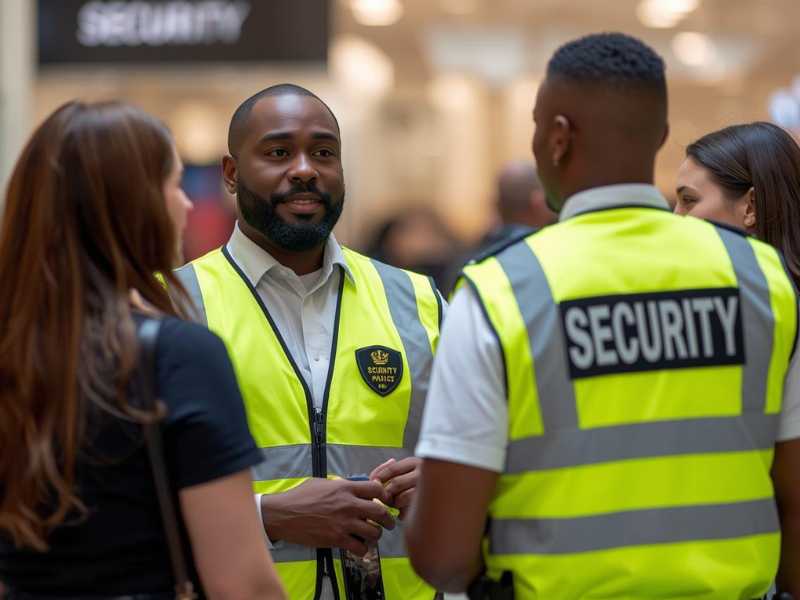
The SIA’s multi‑year change programmes — including digital transformation and the voluntary business approvals scheme — aim to raise standards and improve public trust.
This shift is helping the industry shed outdated stereotypes and position itself as a professional, safety‑critical sector.
For jobseekers, this means:
- Better career progression
- More structured training pathways
- Higher expectations (and often better pay)
- A more respected professional identity
-
Career Progression Opportunities Are Expanding
The private security industry offers clear routes into higher‑level roles, including:
- CCTV Operations
- Close Protection
- Security Management
- Risk Assessment
- Compliance and auditing
- Training and assessing
As regulation tightens and technology advances, specialist roles are becoming more common — and more lucrative.
-
So… Is the Security Industry Really Growing?
Based on the latest data, the answer is yes — significantly.
The evidence shows:
- High and sustained numbers of SIA licence holders
- Strong public confidence in private security
- Rising training standards
- Increased regulatory oversight
- Growth in events, nightlife, and corporate security
- Rapid digital transformation
- Expanding career pathways