If you’re thinking about becoming a Door Supervisor in the UK, you’re not alone. The private security industry has grown rapidly over the past decade, and door supervision remains one of its most in‑demand roles. But while many newcomers imagine the job as a mix of nightclub buzz, authority, and adrenaline, the reality is far more complex — and far more rewarding — than most people expect.
Whether you’re exploring a new career path or preparing for your SIA Door Supervisor course, this article breaks down the truths that new starters rarely hear. And yes — we’ll back it up with real data from authoritative UK sources.
-
The Industry Is Much Bigger Than Most People Think
Many new starters underestimate just how large and structured the UK private security sector is. According to Statista, there were around 451,000 active SIA licence holders in 2024, almost double the number in 2008.
That’s nearly half a million licensed professionals working across:
- Nightlife and hospitality
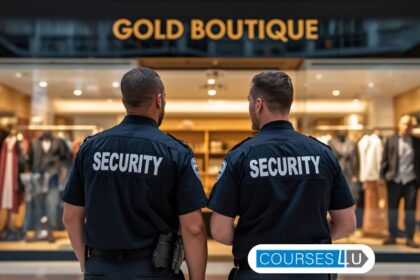
- Retail and shopping centres
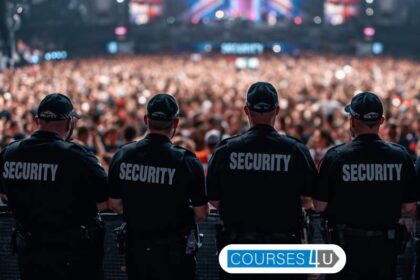
- Events and festivals
- Corporate buildings
- Public spaces
- Transport hubs
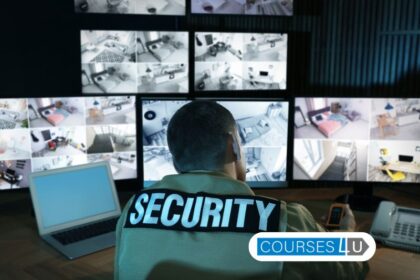
- CCTV control rooms
Door Supervisors make up a significant portion of this workforce, and demand continues to grow as venues, events, and businesses prioritise safety more than ever.
-
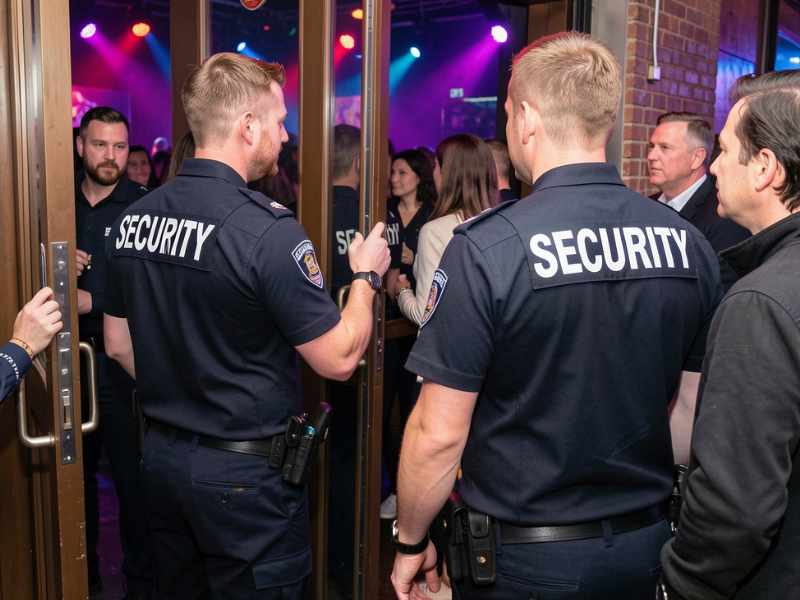
Door Supervision Isn’t Just “Bouncing” — It’s Customer Service

One of the biggest misconceptions is that Door Supervisors spend most of their time dealing with conflict. In reality, the modern role is far more customer‑focused.
You’ll be:
- Greeting customers
- Checking IDs
- Managing queues
- Monitoring venue capacity
- Supporting vulnerable individuals
- Providing reassurance
- Liaising with venue staff and emergency services
Conflict management is part of the job, but it’s not the whole job. In fact, the SIA’s training standards place heavy emphasis on communication, safeguarding, and professionalism — not physical intervention.
-
The Job Can Be Physically and Emotionally Demanding
Door Supervisors often work long shifts, late nights, and weekends. You may be on your feet for hours, dealing with loud environments, unpredictable behaviour, and fast‑changing situations.
The SIA’s Annual Report highlights how security operatives frequently put themselves in harm’s way to protect the public, with tragic incidents like the Brixton Academy crush serving as a reminder of the risks involved.
This isn’t to scare you — it’s to prepare you. The best Door Supervisors are those who stay calm, think clearly, and act responsibly under pressure.
-
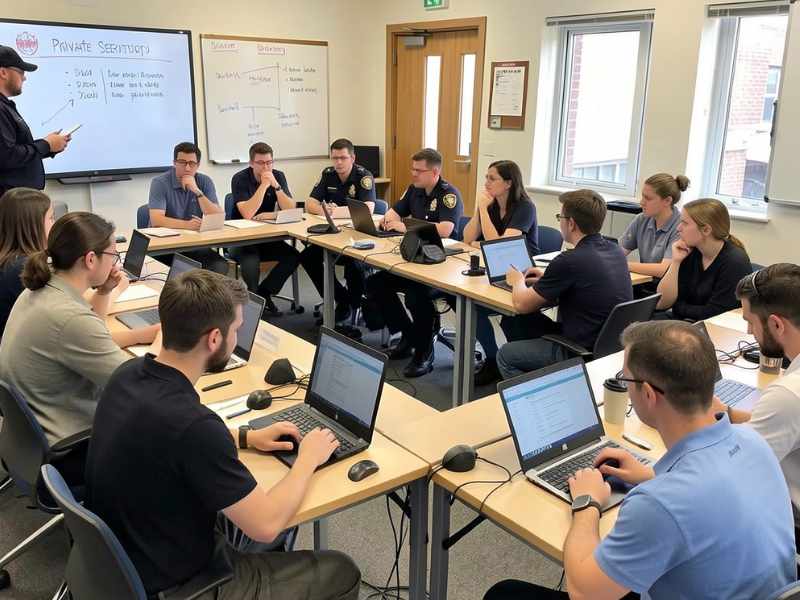
Training Is More Important Than You Think

Many new starters assume the SIA course is just a box‑ticking exercise. In reality, the training is designed to prepare you for real‑world challenges.
Your Door Supervisor qualification covers:
- Conflict management
- Physical intervention (with strict safety protocols)
- Emergency procedures
- Drug awareness
- Counter‑terrorism awareness
- Safeguarding and vulnerability
- Licensing law
- Incident reporting
The training is not only essential for safety — it’s a legal requirement. And with the industry under increasing scrutiny, employers are more selective than ever.
-
The Industry Is Becoming More Diverse
Another truth many newcomers don’t realise: the security industry is becoming more inclusive.
The SIA publishes detailed breakdowns of licence holders by gender, showing a steady rise in women entering roles such as Door Supervision, Security Guarding, and CCTV operation.
This shift is driven by:
- Better training standards
- A focus on safeguarding
- Demand for more balanced teams
- Changing public expectations
Women bring valuable skills to the industry, especially in communication, de‑escalation, and supporting vulnerable individuals.
-
You’ll Need Strong People Skills — Not Just Strength
The stereotype of the “big, intimidating bouncer” is outdated. Modern Door Supervisors succeed because they are:
- Approachable
- Observant
- Empathetic
- Assertive
- Good listeners
- Quick thinkers
Most incidents are resolved through communication, not confrontation. Your ability to read situations, calm tensions, and support people is far more important than your physical size.
-
Technology Is Changing the Job
Door Supervisors today work alongside a growing range of technology:
- Body‑worn cameras
- Digital ID scanners
- CCTV systems
- Incident‑reporting apps
- Radio communication networks
This means the role is becoming more professional, more accountable, and more integrated with wider security operations.
If you’re tech‑confident, you’ll have a real advantage.
-
There Are Clear Career Progression Paths
Many new starters think Door Supervision is a dead‑end job. In reality, it’s one of the best entry points into the wider security industry.
Common progression routes include:
- Security Officer
- CCTV Operator
- Close Protection Operative
- Event Security Manager
- Venue Security Supervisor
- Risk Assessor
- Security Trainer
- Operations Manager
With experience and additional qualifications, you can move into higher‑paid, more specialised roles.
-
Your Reputation Matters More Than You Realise
The security industry is surprisingly interconnected. Venues, agencies, and employers often share information about reliable operatives — and unreliable ones.
Your reputation will be shaped by:
- Punctuality
- Professionalism
- Communication
- Appearance
- Incident handling
- Teamwork
A good Door Supervisor becomes known quickly. So does a bad one.
-
It’s One of the Most Rewarding Jobs You’ll Ever Do
Despite the challenges, Door Supervision can be incredibly fulfilling.
You’ll:
- Keep people safe
- Support vulnerable individuals
- Prevent incidents before they happen
- Help venues run smoothly
- Build confidence and resilience
- Develop transferable skills
Many operatives say the job gives them a sense of purpose — especially when they know they’ve made a real difference to someone’s night.
Final Thoughts
The truth about UK Door Supervision is that it’s far more than a security role. It’s a people‑focused, safety‑critical profession that requires skill, empathy, and professionalism. The industry is growing, evolving, and becoming more respected — and for the right person, it offers a stable, rewarding career with plenty of progression opportunities.
If you’re considering entering the industry, investing in high‑quality training is the best first step. It prepares you not just to pass your SIA exam, but to thrive in a role that genuinely matters.